
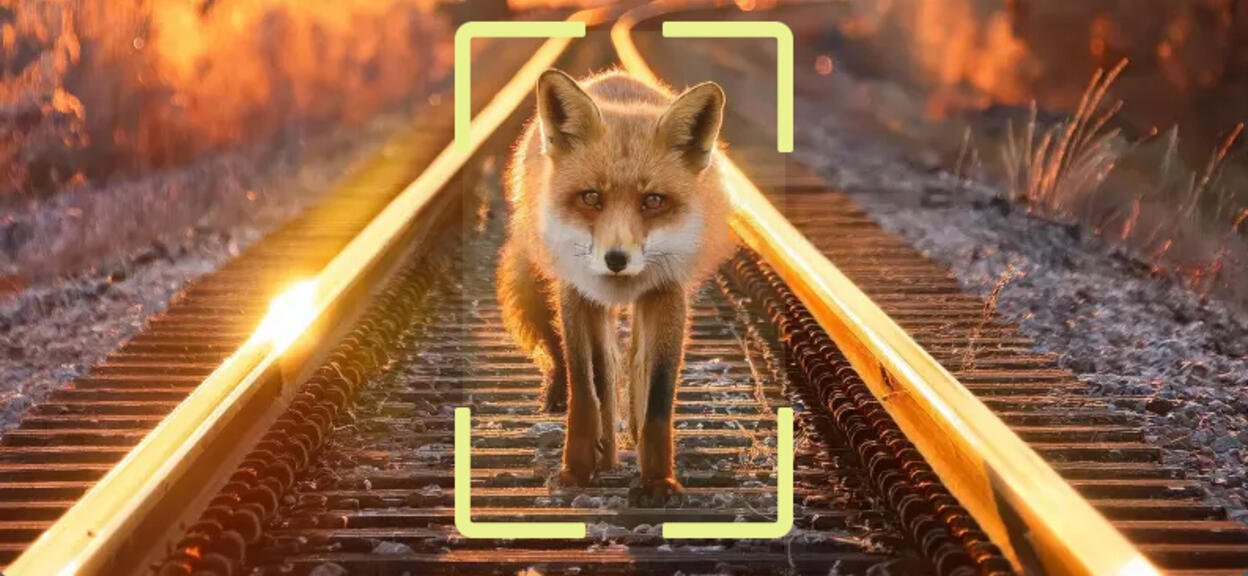
A Smarter Way to Keep Wildlife Off the Tracks
Flox Intelligence is building AI systems to keep wildlife away from trains, airports, and roads. Rather than relying on louder sirens or physical fences, the startup deploys edge devices that identify specific animals and play species-appropriate sounds to deter them. This approach aims to lower collision risks for both infrastructure and animals. The company is a finalist at this year’s Startup Battlefield 200 at TechCrunch Disrupt.
The Problem
Wildlife strikes are a widespread safety and economic concern. The FAA estimates that wildlife strikes have cost U.S. civil aviation about $272 million a year on average between 1990 and 2025 [1]. In France, rail operator SNCF says wandering animals affect more than 8,000 trains annually and rank among its five leading causes of delays [2]. These incidents damage equipment and disrupt schedules globally, affecting everything from commuter rail to cargo flights.
The Technology
Flox devices process data on-site instead of sending it to the cloud. This matters because remote corridors often lack reliable internet, and on-device processing reduces latency. A motion sensor wakes a camera, which uses on-device models to recognize nearby wildlife. The system then emits a sound tailored to the species. Founder Sara Nozkova explains that varying responses prevents animals from getting used to the signals, a process known as habituation [3]. Nozkova spent 13 years in transportation and autonomous vehicles before joining the AI lab at KTH Royal Institute of Technology in Stockholm [4]. She observed that machines trained for controlled environments often fail once nature enters the equation [5]. The devices can be mounted on poles, trees, and other structures.
Deployment and Costs
Approximately 150 devices are live in North America, Europe, and Australia at sites including airfields, rail corridors, and national parks [6]. The software platform shows clients where devices are deployed and what is happening on the ground [7]. Clients purchase the hardware upfront, followed by an annual software and AI subscription after the first year [8]. Flox also holds OEM partnerships, such as with train manufacturer Alstom, to deploy the software on vehicles [9]. The platform generates reports for regulatory compliance and biodiversity monitoring [10]. The company expects to end 2026 with revenue of about $1.5 million [11].
Limitations
The startup faces competition. Robin Radar’s Scarecrow also uses species-specific distress calls, though the source text cuts off before detailing its full scope [12]. Battery-operated units require maintenance, and the long-term goal of running software on moving trains and drones is still in development [13]. Operators should weigh upfront hardware costs against potential savings from reduced strike damage.