
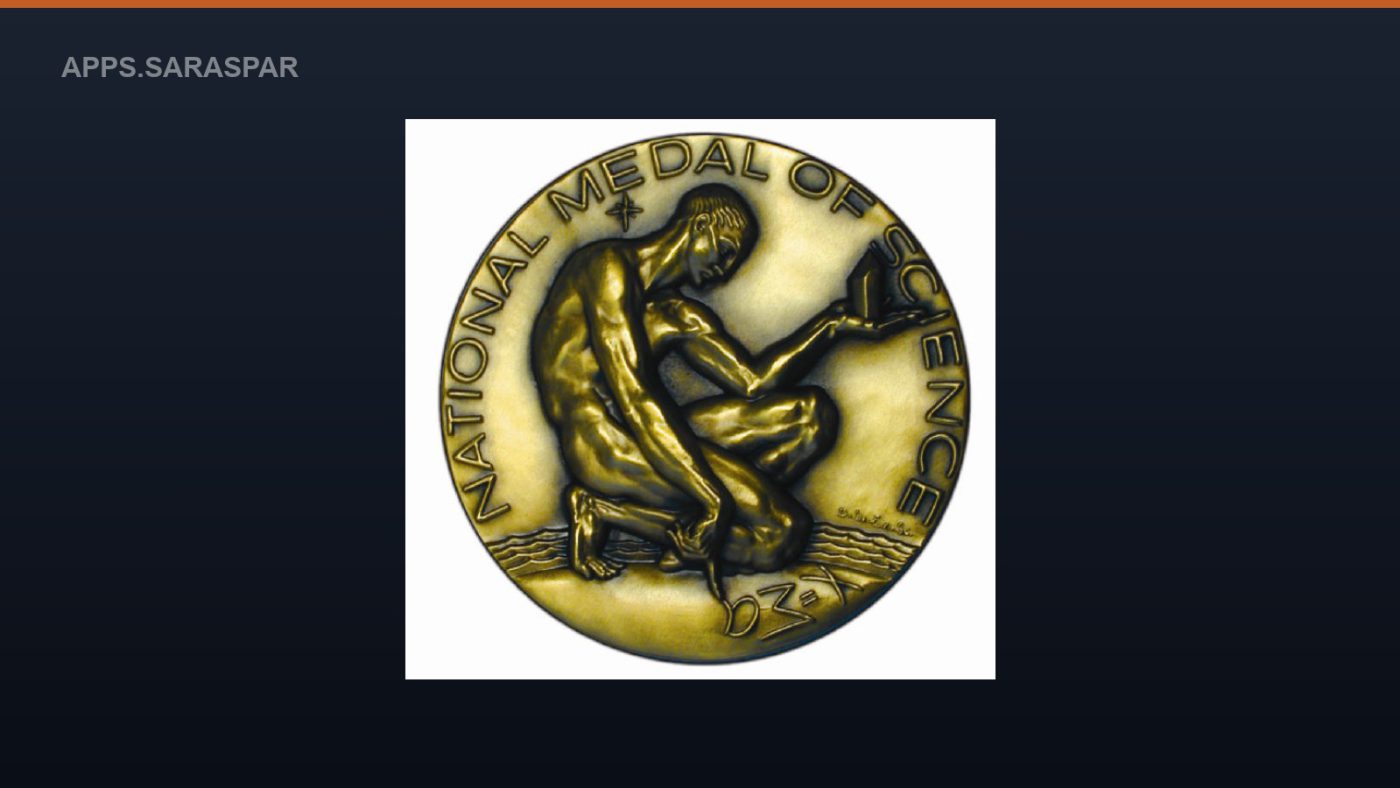
On October 8, 2026, President Donald Trump presented the National Medal of Science and the National Medal of Technology and Innovation to six prominent technology leaders.
Award ceremony and recipients
At the Golden Age of American Innovation Summit, Trump honored Elon Musk (CEO of Tesla and SpaceX), Jensen Huang (CEO of NVIDIA), Sergey Brin (co‑founder of Alphabet), and Lisa Su (CEO of AMD) with the National Medal of Science. Michael Dell (founder of Dell Technologies) and Satya Nadella (CEO of Microsoft) received the National Medal of Technology and Innovation.
Historical context of the medals
The National Medal of Science, established by Congress in 1959, recognizes individuals who have made outstanding contributions to knowledge in the physical, biological, mathematical, or engineering sciences. The National Medal of Technology and Innovation, created in 1980, honors those whose technological advancements have strengthened the nation’s competitiveness and quality of life. Both awards are administered by the White House Office of Science and Technology Policy.
Donations and financial ties
According to the source, the awardees together have contributed nearly $6 billion to efforts linked to the Trump administration. The New Republic reports that Alphabet and Microsoft donated to the president’s inauguration fund and to the White House ballroom. AMD gave to a pro‑Trump Super PAC, while Michael and Susan Dell pledged $6.25 billion to support the Trump Accounts, a savings program for children launched by the administration.
The source notes that the nearly $6 billion figure aggregates contributions to various Trump‑related initiatives, including campaign funds, inaugural events, and administration‑backed programs. Individual disclosures show that Alphabet’s contribution to the inauguration fund exceeded $1 million, while Microsoft’s donation to the White House ballroom was reported at approximately $750 000. AMD’s Super PAC gift was in the range of $250 000, and the Dell pledge represents a multi‑year commitment earmarked for children’s savings accounts.
Context and reactions
Satya Nadella received his medal shortly after the administration placed an indefinite suspension on Microsoft’s participation in the H‑1B visa program, which allows U.S. companies to hire skilled foreign workers. In his remarks, Trump said the honorees had “helped pioneer an incredible future for America” and added,
“we will always be on top. No one else can compete with us.”
Observers note the timing raises questions about the relationship between major corporate contributions and federal honors.
Potential implications
Critics argue that linking prestigious science honors to major donors could affect public perception of the awards’ impartiality. Supporters contend that recognizing leaders who drive innovation aligns with the medals’ purpose, regardless of their political contributions. The debate underscores the ongoing tension between celebrating scientific achievement and monitoring the influence of private wealth on public institutions.
Some lawmakers have called for stricter disclosure requirements for federal award recipients, suggesting that any honor should be accompanied by a public statement of major political contributions made within the past five years. Others argue that existing ethics rules already cover conflicts of interest, and that the medals remain a merit‑based recognition of scientific and technological excellence.
Practical takeaways
- The awards highlight how major tech figures can receive the nation’s highest science honors while maintaining substantial financial ties to the current administration.
- Readers should consider the potential influence of large donations on policy decisions, such as visa programs affecting the tech workforce.
- Transparency about funding sources remains important when evaluating government recognitions of private sector achievements.